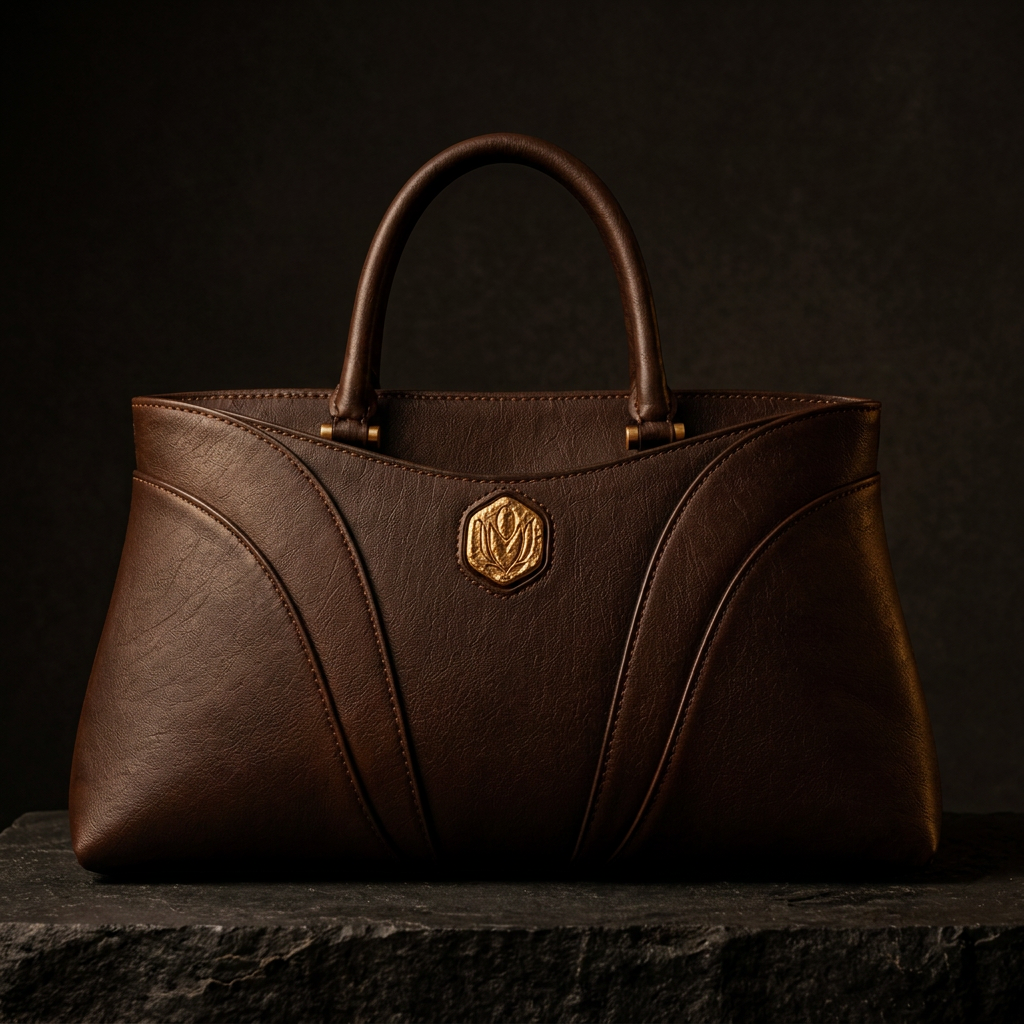
The Nandi top-handle bag in kudu leather on a stone plinth

Cape Town · Est. 2017

Born of Africa.
Crafted for Legacy.

Created in strictly limited numbers, every MBALI piece begins in Africa and carries a provenance entirely its own.

From the land and responsible harvest to specialist tanning and the artisan who gives it final form, every stage is known and preserved.

Nothing is anonymous. Nothing is mass-produced. Each creation bears a story that can never be repeated.

Without provenance, luxury is merely expensive. Every MBALI hide has an origin we know and a story we are proud to tell.

Mbali — Nguni for 'flower'

The Signature Line

Nine silhouettes

Nine pieces in the permanent range, cut from nine chosen African hides. Anything beyond them is a private commission.

All pieces
The Nandi top-handle bag in kudu leather on a stone plinth

Nandi

€13,600

Top-handle

The house's founding silhouette. Twenty-six hours of hand-saddle stitching, a single hide per bag, gold hardware cast in Johannesburg.

The Themba shoulder bag in soft springbok-tanned calf

Themba

€7,400

Shoulder

An unstructured shoulder piece that softens with wear. Cut from a single panel so the hide's natural grain runs unbroken from strap to base.

The Khaya weekender in oil-waxed bushveld hide

Khaya

€19,800

Travel

A weekender built to outlive its owner. Gold fittings, reinforced base, and a leather tag stamped with the hide's origin register.

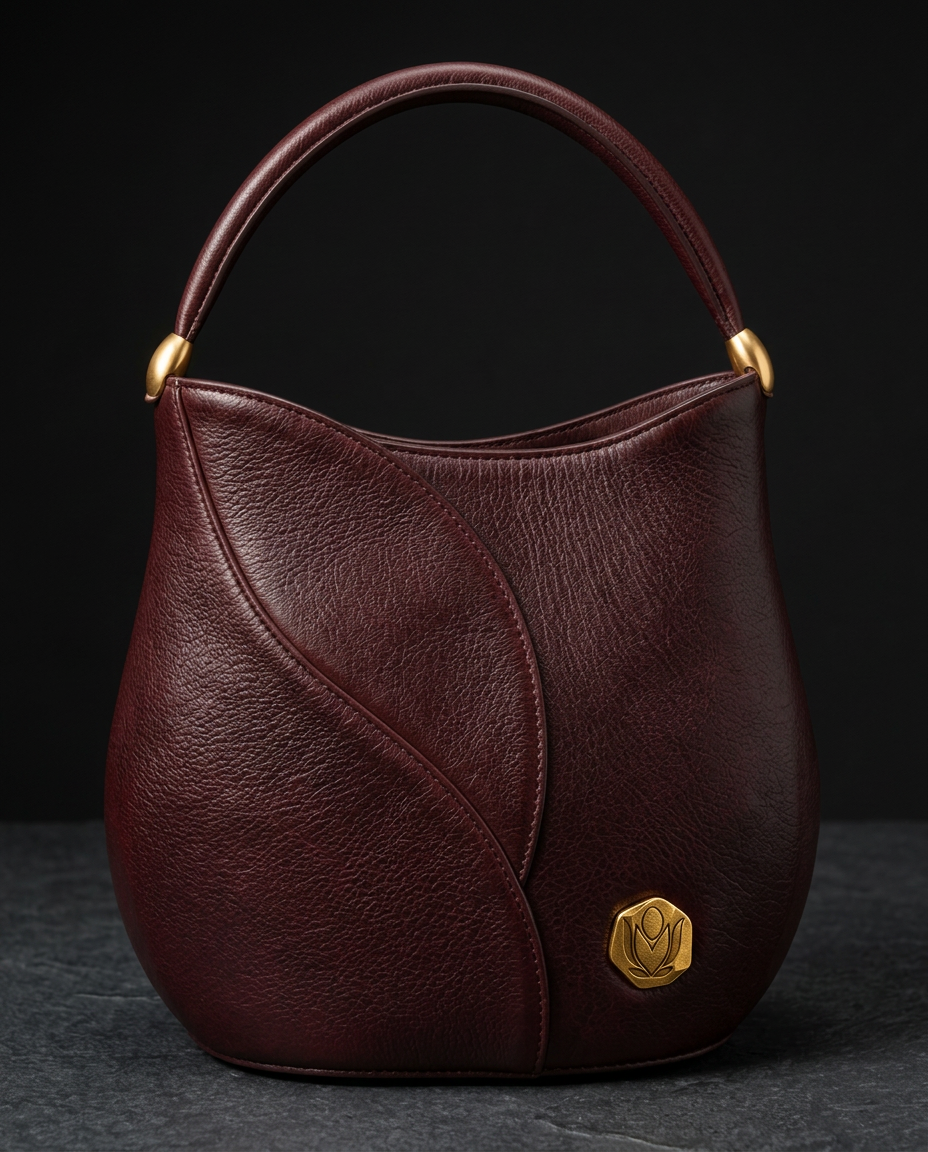
The Ayanda tote in espresso kudu leather on a stone plinth

Ayanda

€12,400

Tote

An architectural north-south tote that stands unaided. Carried by rolled handles by day, or on a heavy gold curb chain when the day turns into something else.

The Zola evening clutch in sand springbok calf with a gold chain

Zola

€6,400

Evening

The smallest piece in the Signature line and the most exacting. One flap, one seam, one gold medallion — and a fine gold chain that drops to the hip or doubles at the shoulder.

The Mandla document case in dark umber kudu with twin gold seal turn-locks

Mandla

€10,900

Document case

A slim, unisex document case built to a flat architectural line. Twin pierced seal turn-locks, gold corner caps, and a chain strap that comes off in a second when the room calls for a hand-carry.

The Sizwe roll-top rucksack in tobacco oil-waxed bushveld hide

Sizwe

€9,800

Rucksack

A roll-top rucksack with the proportions of a piece of luggage, not a sports bag. One front strap, one seal, heavy gold rings — carried on both shoulders or by the top handle.

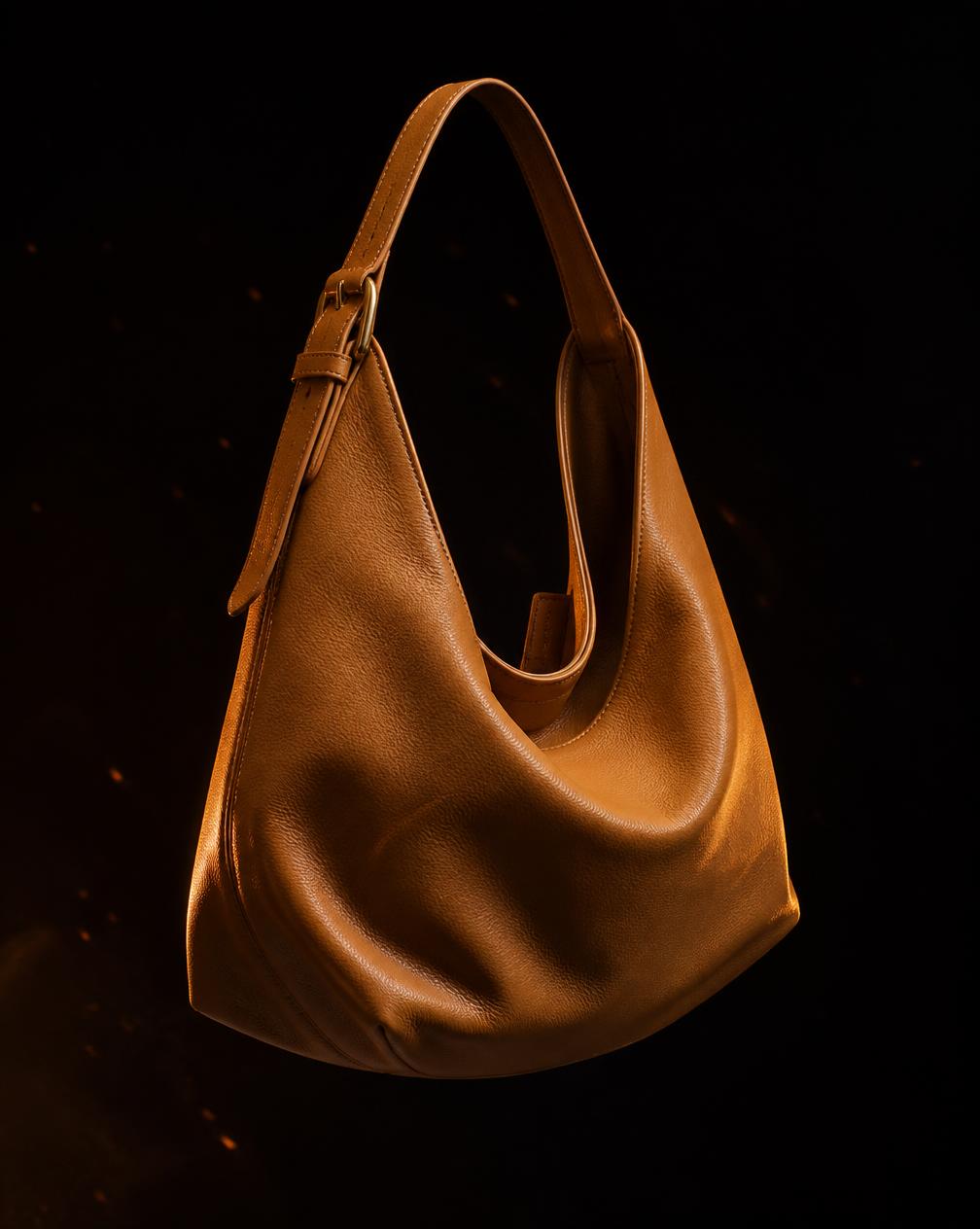
The Lindiwe half-moon shoulder bag in warm caramel nyala leather on a dark stone plinth

Lindiwe

€8,900

Shoulder

A sculpted half-moon shoulder bag in warm caramel nyala. One unbroken curve, a wide flat strap that carries the weight across the shoulder, and the seal set where the strap meets the body.

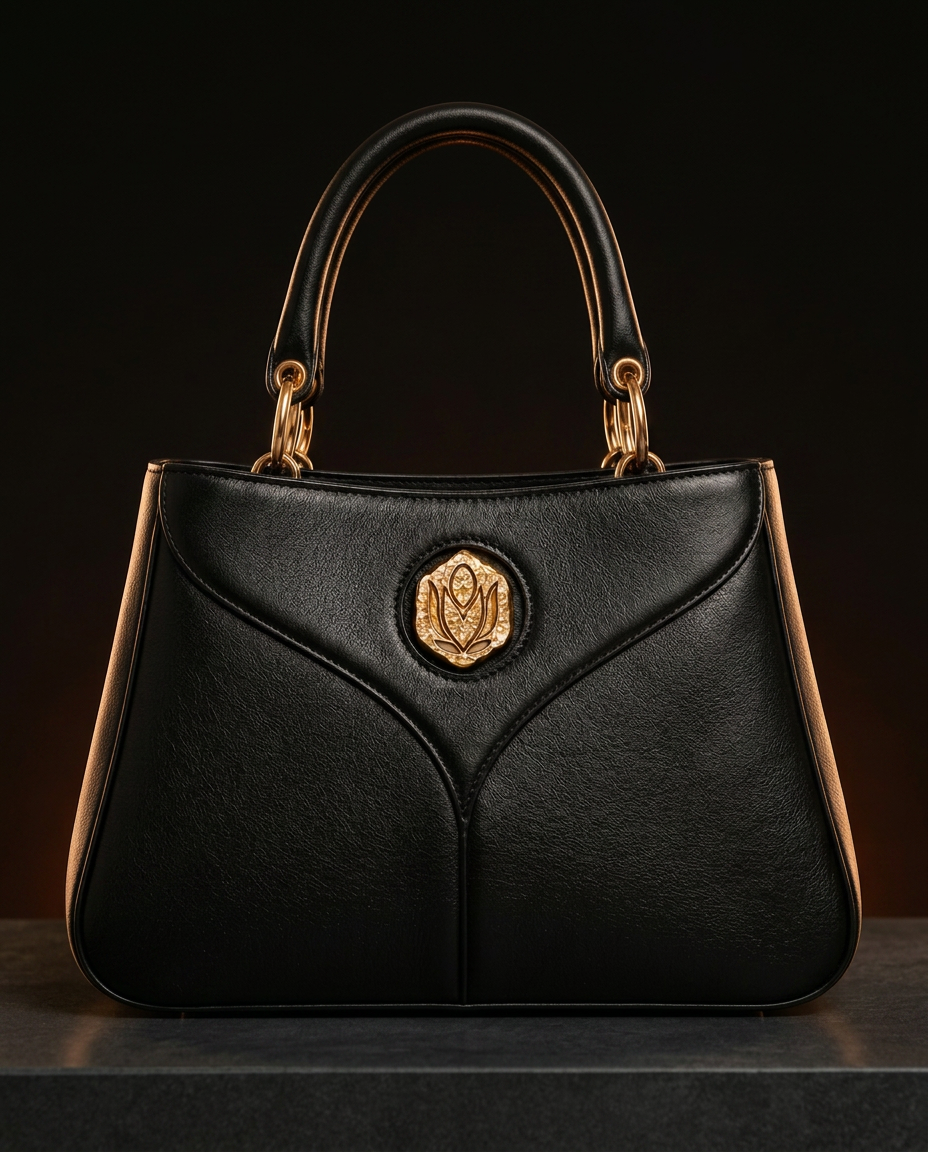
The Buhle structured top-handle bag in Black Impala leather with a gold seal turn-lock

Buhle

€16,800

Top-handle

The formal piece of the house: a structured trapeze body, one rolled top handle, twin front straps closing on a gold seal turn-lock, and a detachable gold chain strap for the evening.

The MBALI seal — a cast, 24-carat gold medallion with the Mbali flower pierced clean through its centre

The Mark

One seal. Cast, not printed.

Every piece carries one mark. The seal is sand-cast in solid brass and finished in 24-carat gold, so it holds the softened edges and fine surface grain that only a casting gives. Within a plain polished rim, the Mbali flower is cut clean through the metal — seven leaves and a raised bud, with open voids between each one. Those gaps are not ornament. They let the seal lie flat, saddle-stitched into a hand-cut recess in the leather, and an open casting this fine is very hard to counterfeit.

All MBALI hardware — seals, chains, rings, buckles and feet — is cast in solid brass and finished in 24-carat gold. Africa is where gold comes from; we see no reason to hide it in silver.

Authenticated by the seal

The seal is also the proof. Each one is struck on the reverse with the register number of the hide it travels with — the same number written on your certificate and held in our register in Cape Town. Send us that number, or a photograph of the reverse of your seal, and we will confirm the hide, the tannery, the maker and the date the piece left the bench. If the number is not in the register, it is not an MBALI.

The MBALI Khaya leather weekender inside the artisan workshop where it is produced.

The Atelier

One maker, one piece, start to finish.

There is no production line. One artisan cuts, skives, saddle-stitches and burnishes a piece from start to finish, then signs the register beside the hide's origin number. It is slow work, and we release fewer than four hundred pieces a year.

Commission a piece

Provenance

Ethics you can audit, not only admire.

01

One hide, one register

Every hide enters the register with its region, its date and the name of the tannery that worked it. That number is struck into the seal on your piece and printed on its certificate.

02

Culturally hunted, never farmed

Nothing we use is bought at auction or lifted from an anonymous supply chain. Every hide comes from a licensed conservation hunt on land we work with directly — older animals past breeding, or animals a game manager has already marked for removal. No animal is caged, raised or taken for its skin alone.

03

The meat feeds people

The hide is what is left over. The meat from every animal goes to the community and the staff on the land it came from, as it has for as long as people have lived there. We would rather say that plainly than dress it up.

04

Two tanneries, no others

We use two tanneries, both chosen for pit tanning with acacia and mimosa bark rather than chrome. Slower, kinder to the water table, and it ages to a depth chrome never reaches. We do not move a hide elsewhere to save time.

05

Under our own hand, end to end

From the land to the bench, no part of the process is contracted out to someone we cannot name. MBALI is present at the hunt, at the tannery and at the cutting table, and the same register follows the hide through all three.

06

Made where it grew

Cut, stitched and finished in our Cape Town atelier by artisans paid a published living wage, so the value stays on the continent the hide came from.

Read the full sourcing charter

Ethically sourced. Purposefully made.

Crafted with provenance. Committed to possibility.

Every MBALI piece begins with ethically sourced and traceable African game leather and is made in limited numbers by skilled artisans. We allocate at least 2% of the net value of every completed sale to vetted children's education programmes in African communities connected to our sourcing and production.

Each year, we will publish where the funds went and what they made possible—because impact should be accounted for, not merely advertised.

  • Ethically sourced
  • 2% of every completed sale
  • Reported annually
Our impact

IsibaZulu — 'feather'

Nothing of a hide is wasted.

Wallets, card cases and belts cut from the panels our larger pieces leave behind. Nothing of a hide is wasted — Lulama bifold, Siya card case, Moyo belt.

from €620

A bifold wallet and gold-buckled belt from the Isiba collection