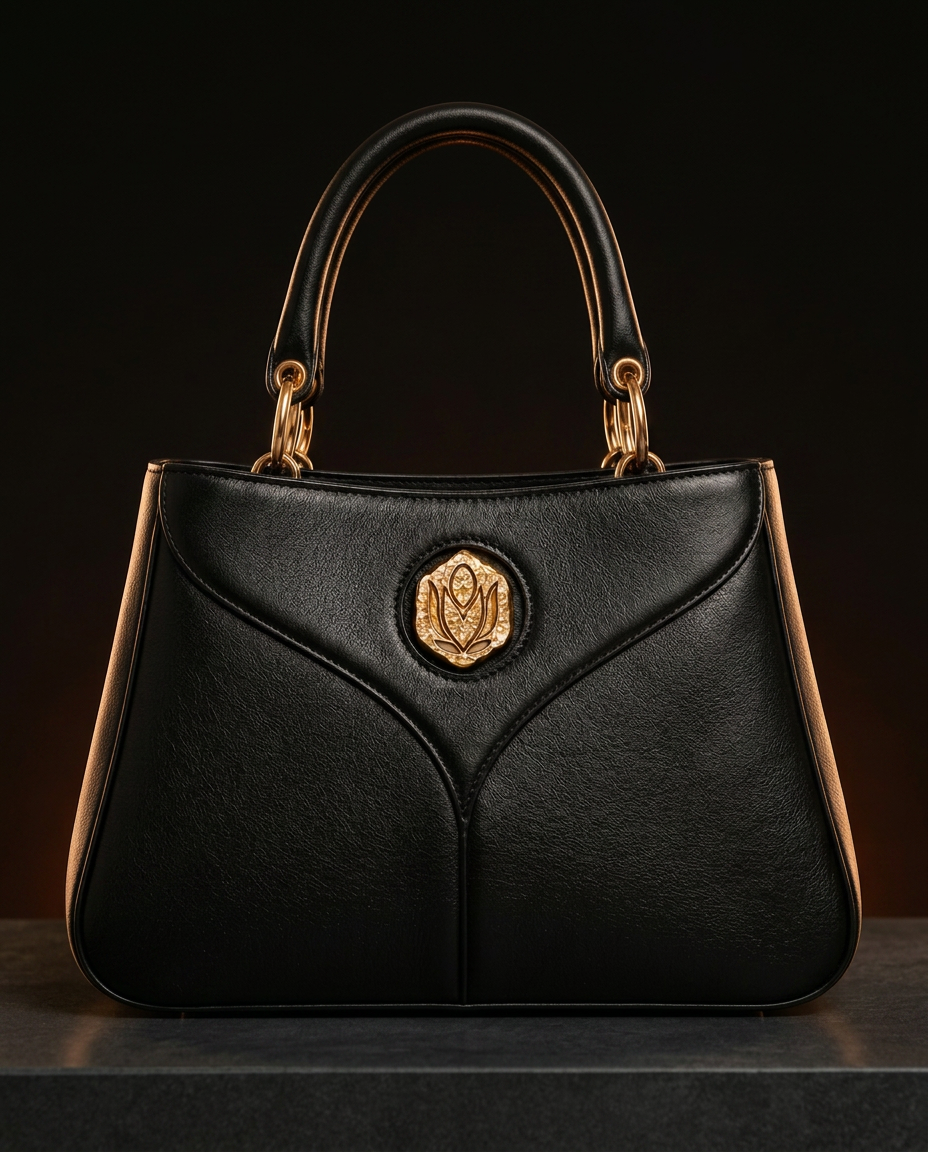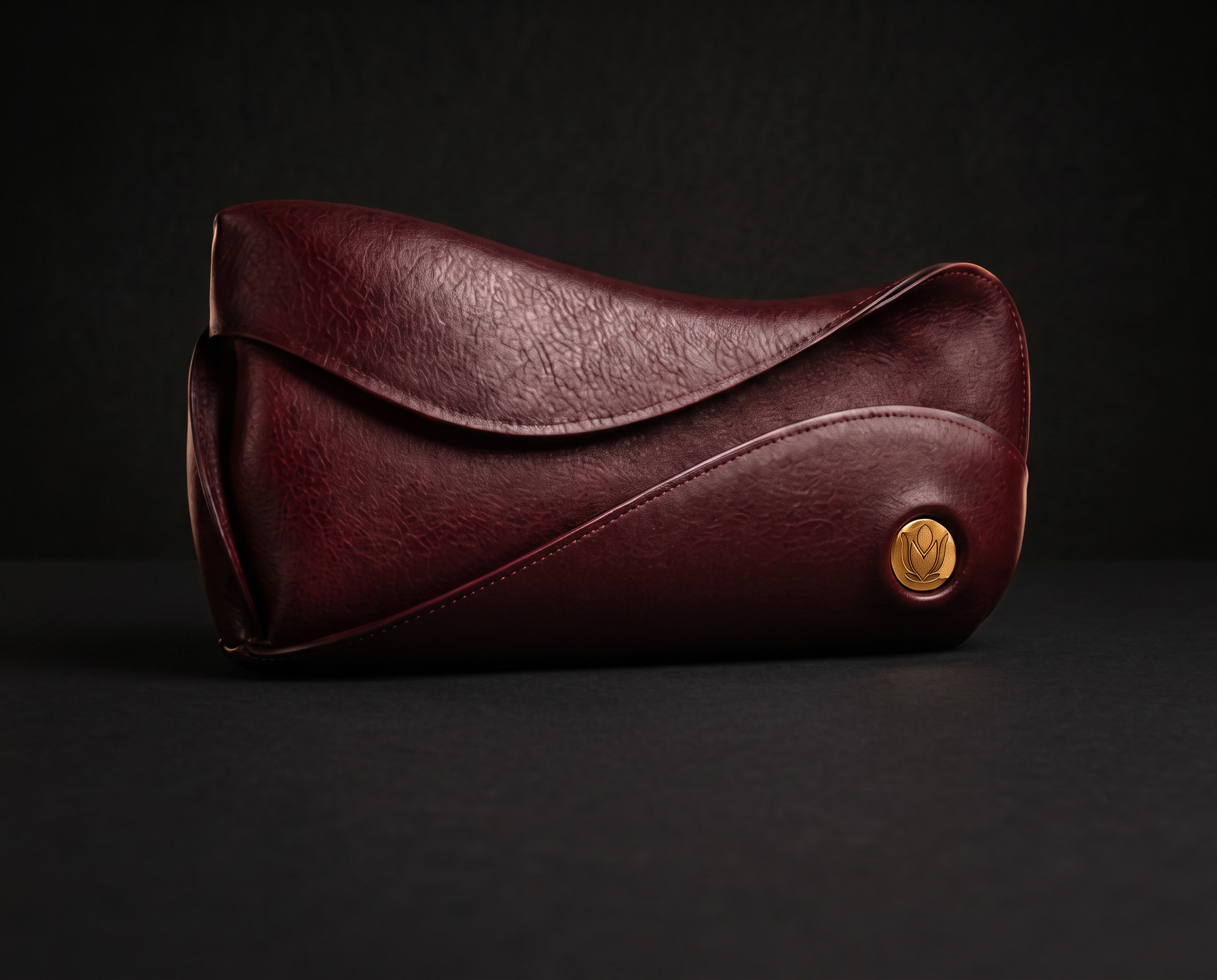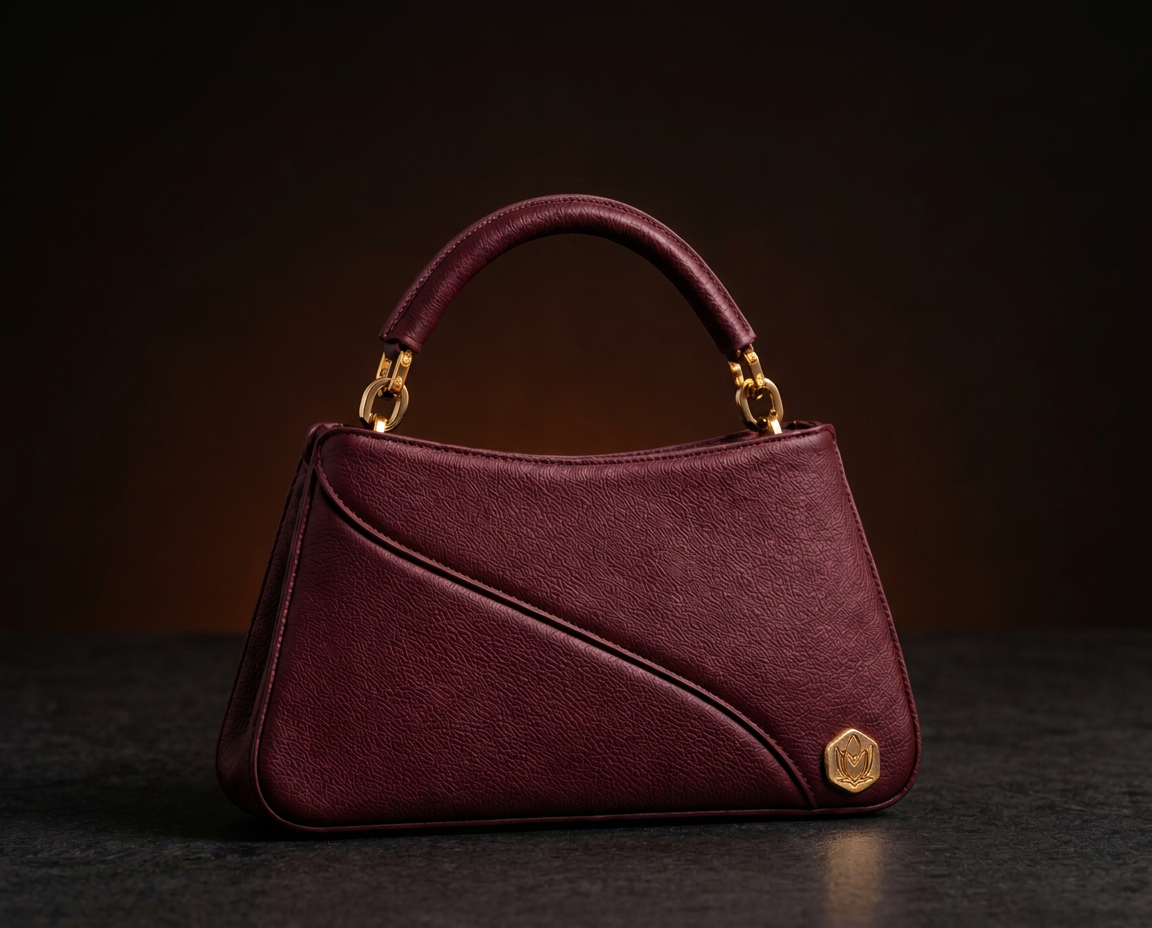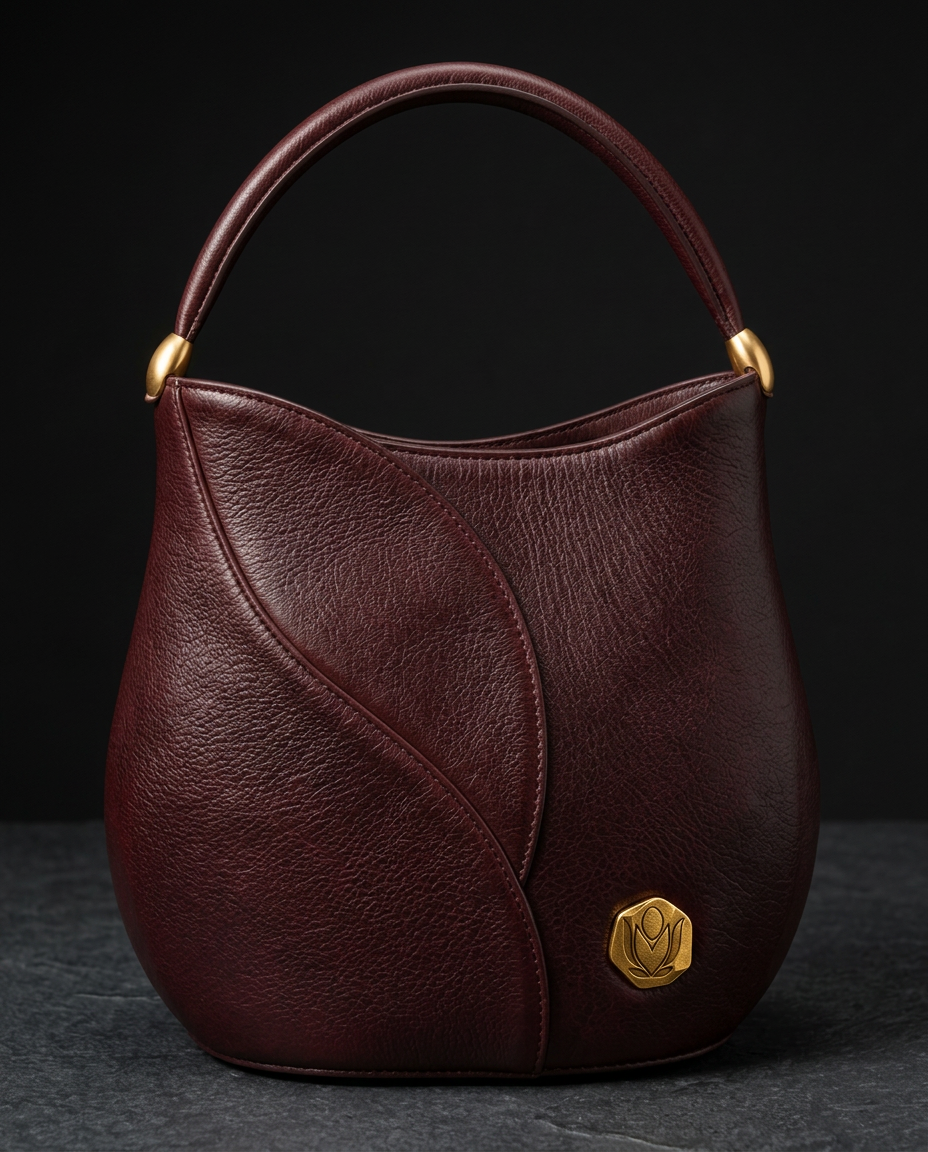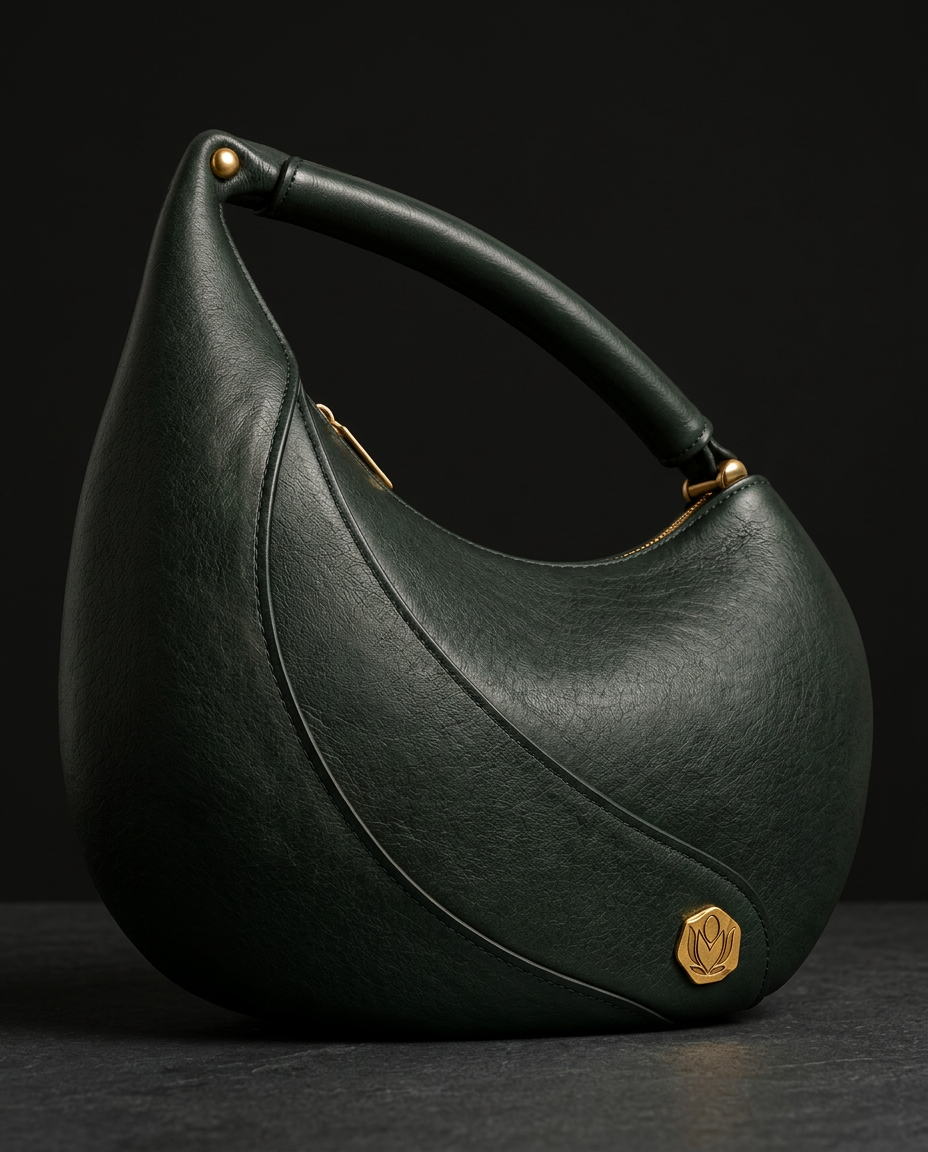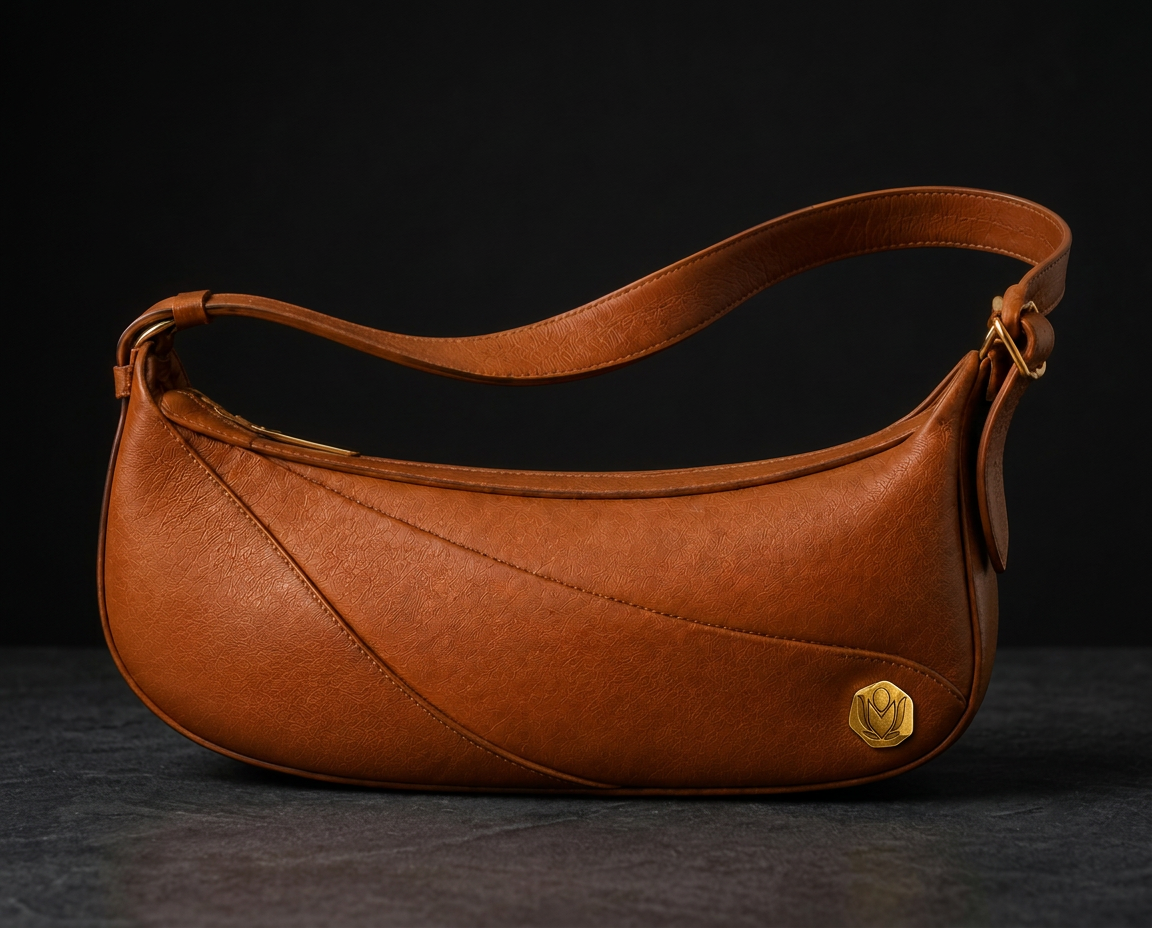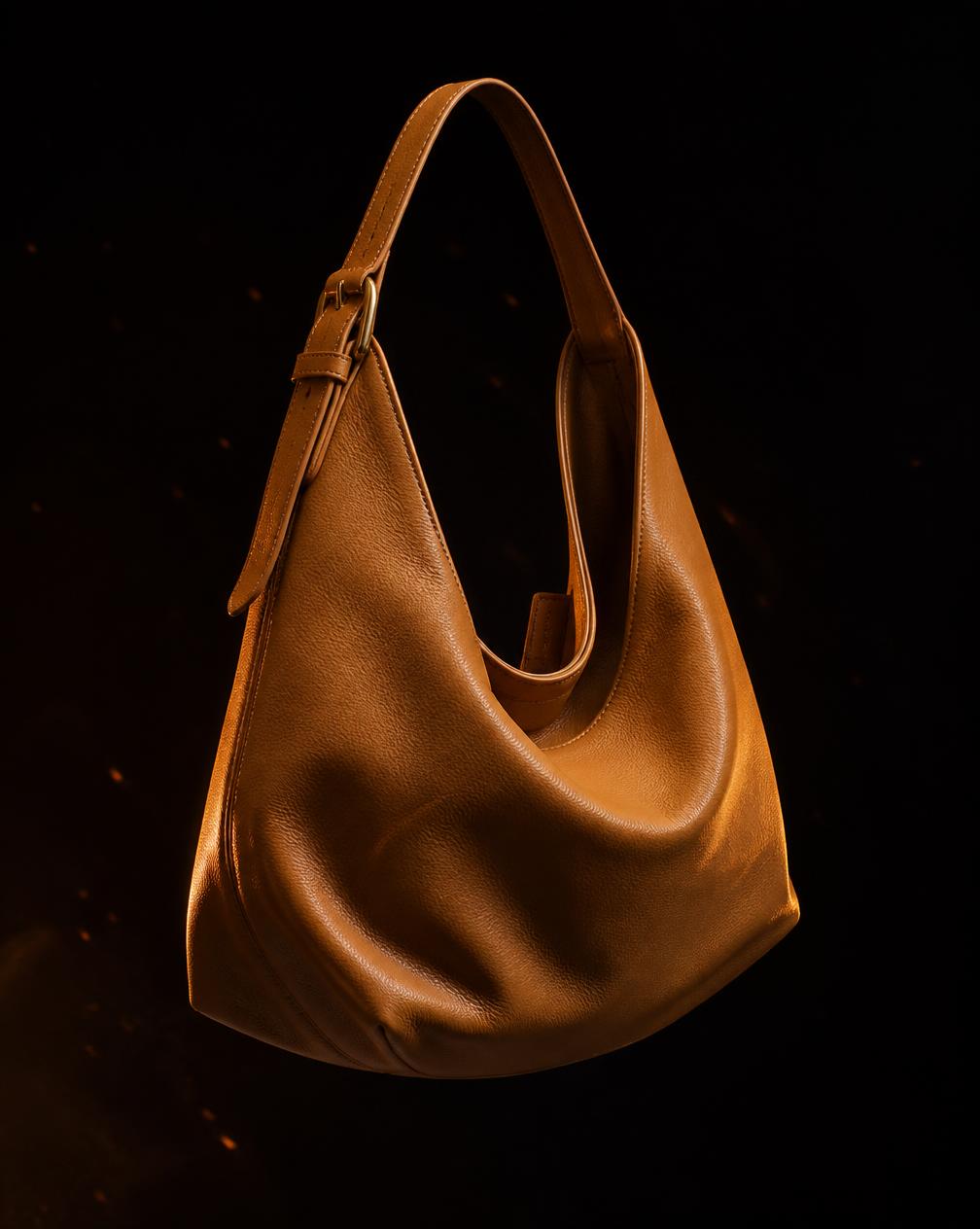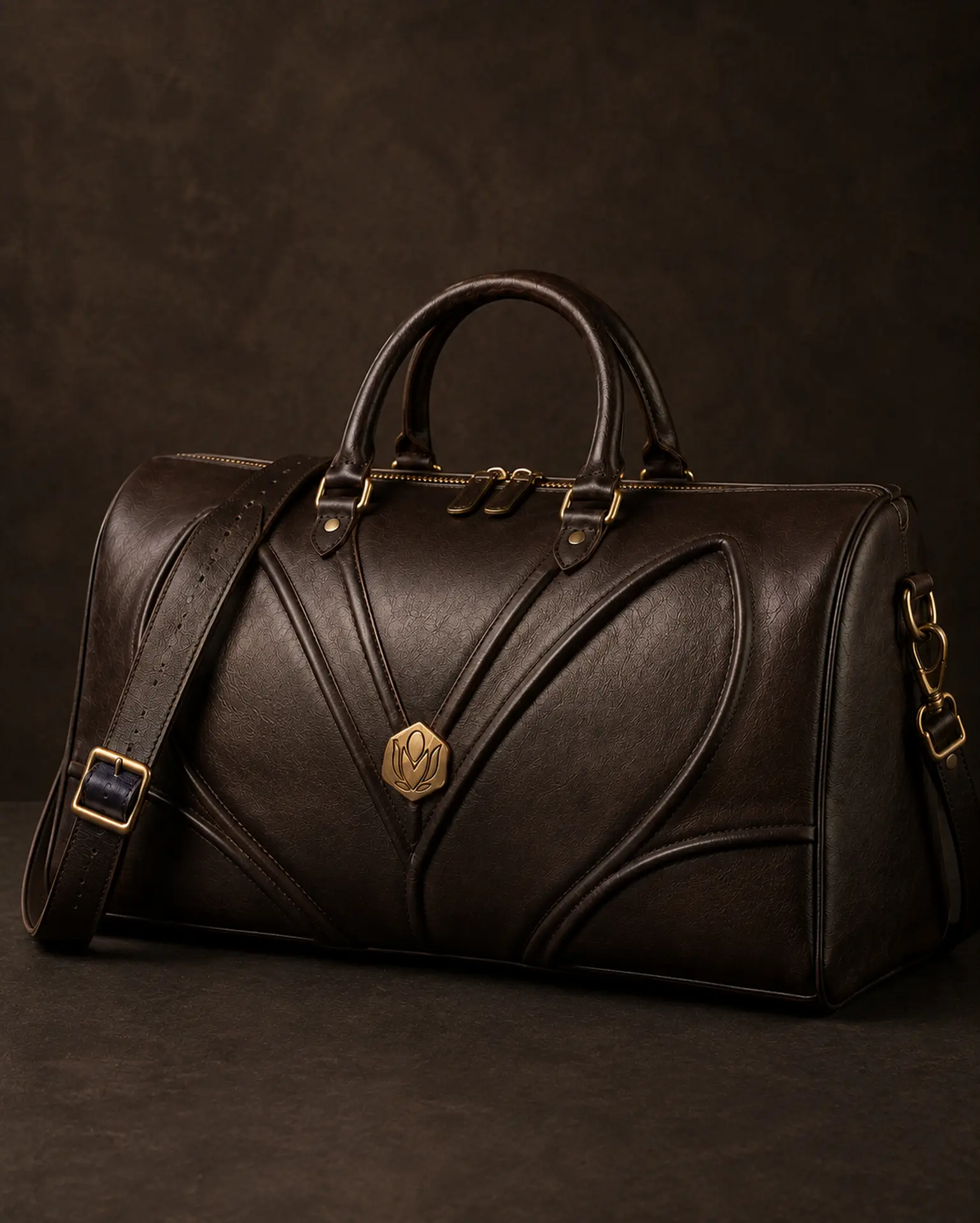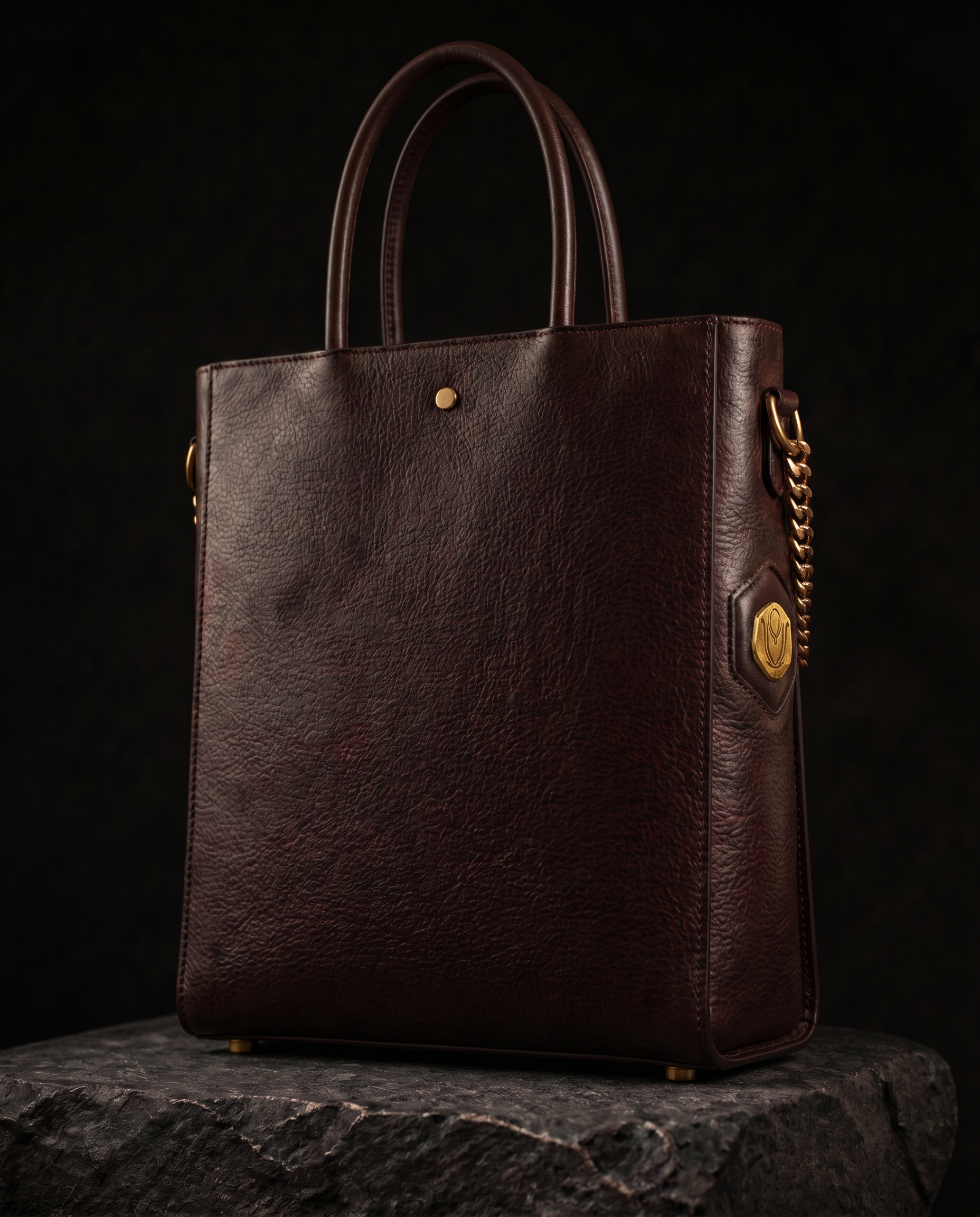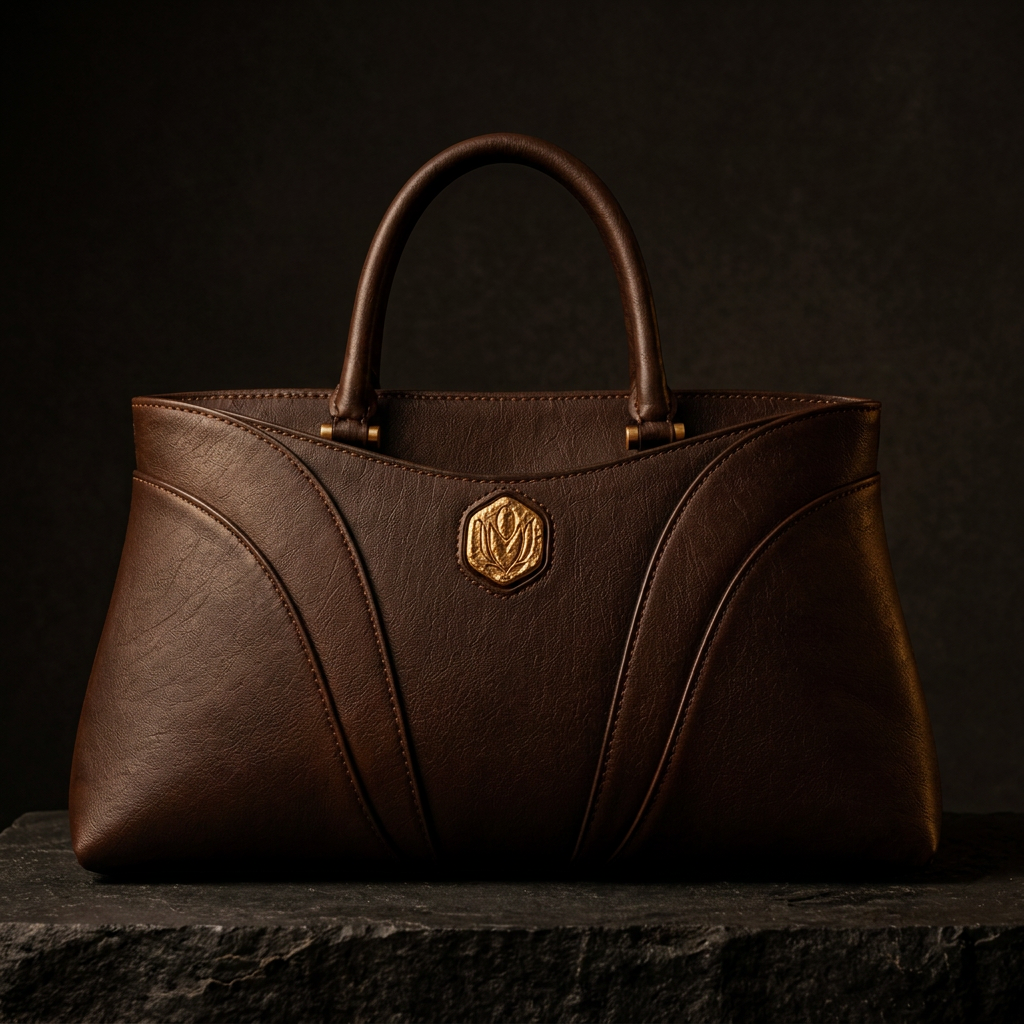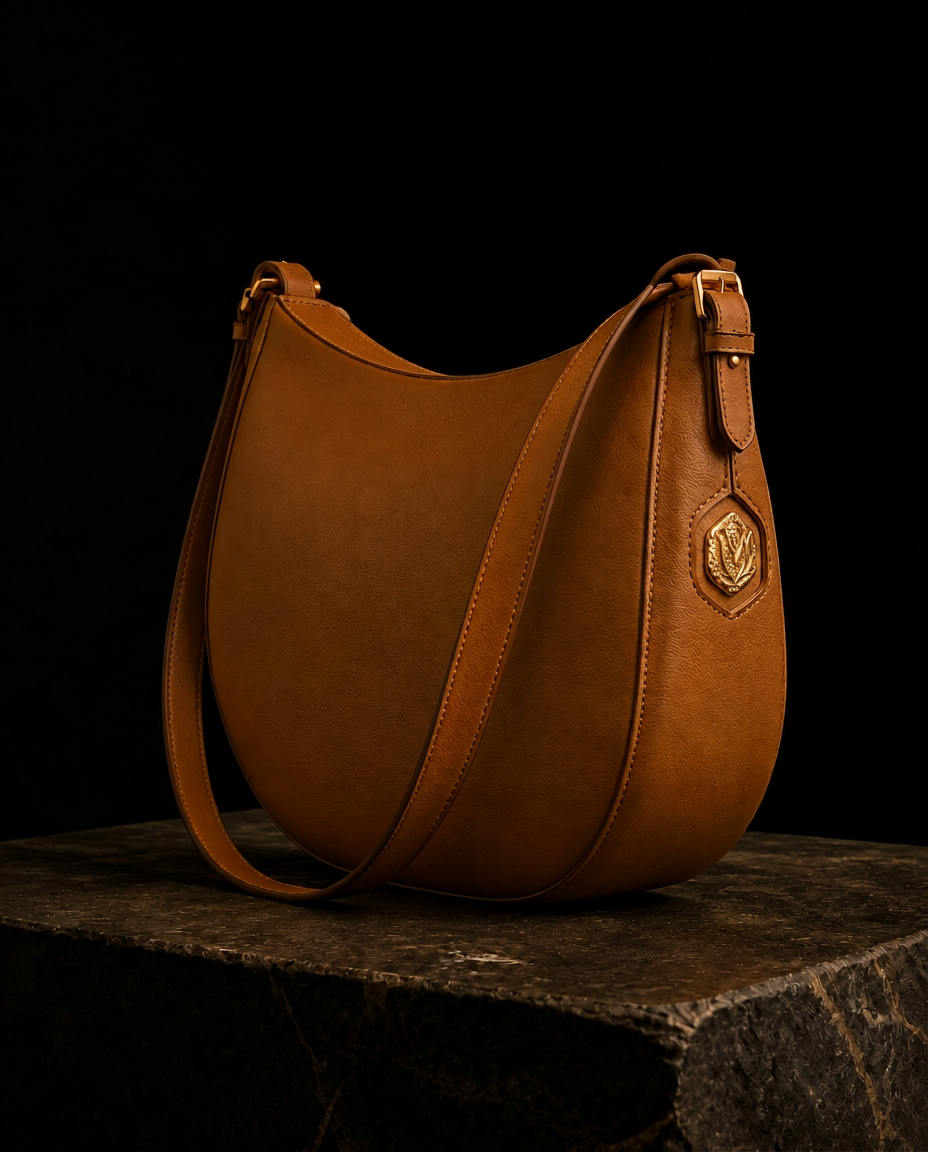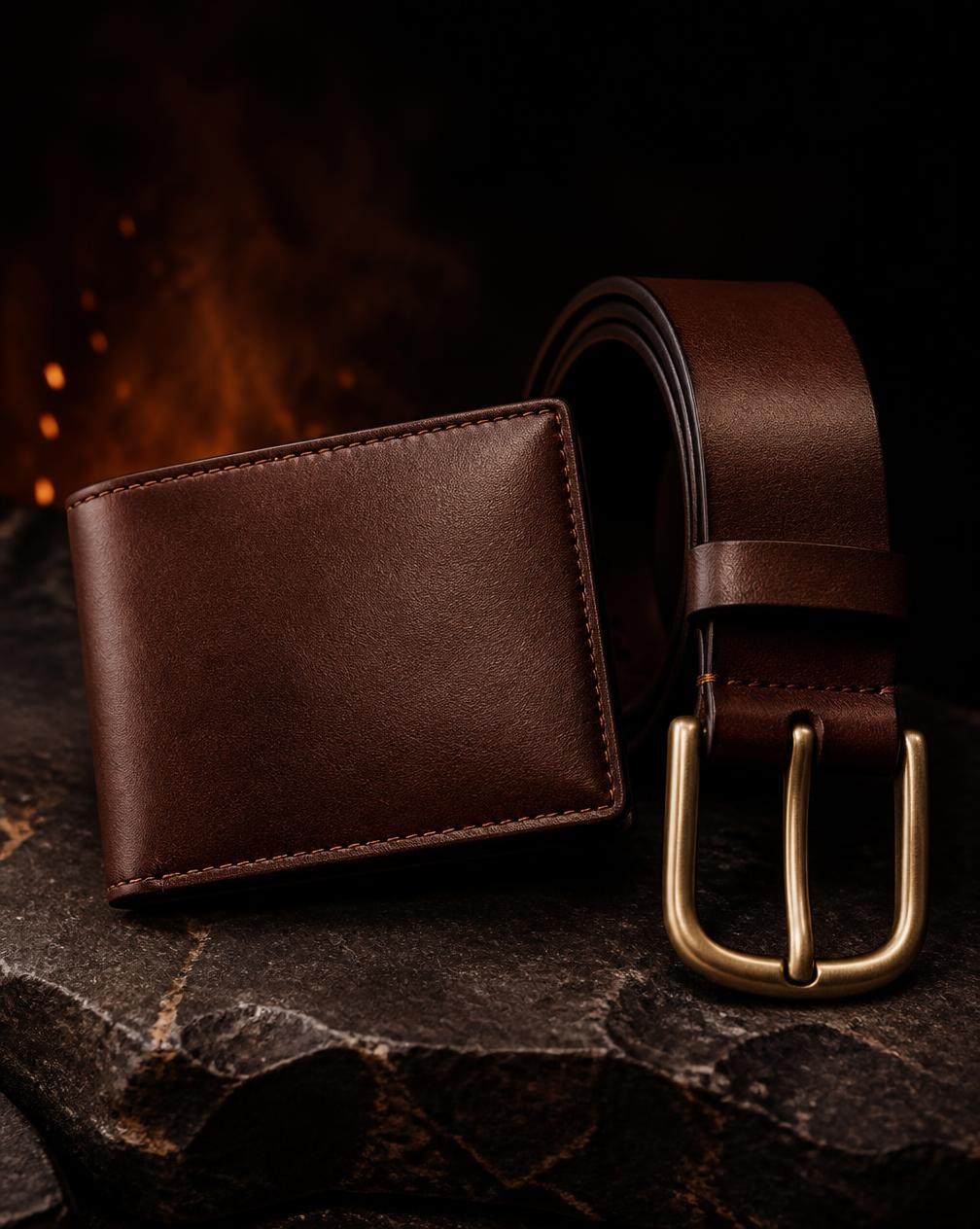
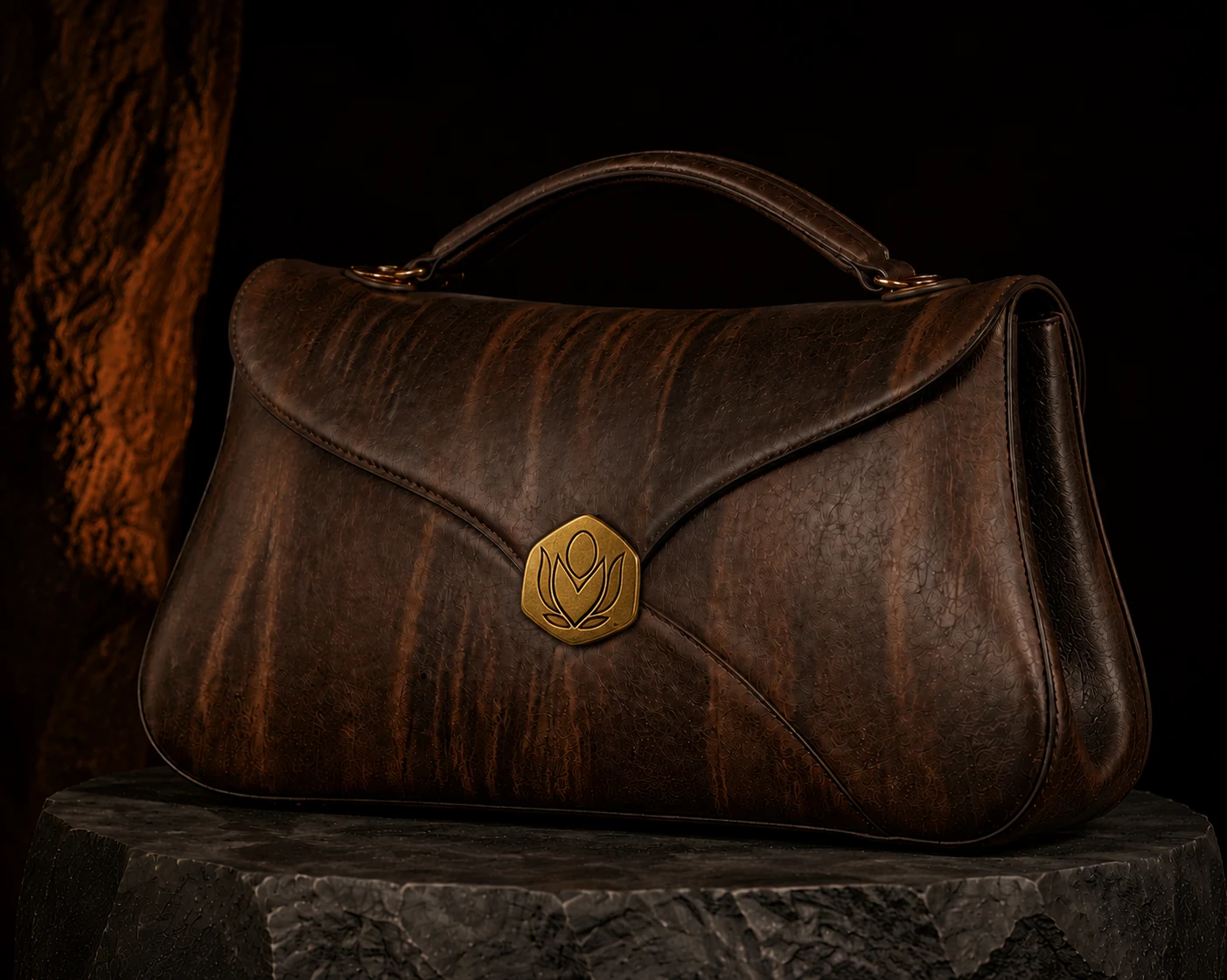
We work with nine hides and no others, each chosen for a grain and a weight that suits one kind of piece. None is a protected or endangered species; all come from licensed conservation management on land we know by name.
Black Impala
The rarest leather in the house. A naturally melanistic impala hide, dark to the root rather than dyed, with a close, almost liquid grain. We see very few in a year, and they are kept for the smallest, most exacting pieces.
Greater Kudu
The great grey antelope of the bushveld. A large, generous hide with a deep, even grain that takes a burnish like no other — the backbone of the Signature line.
Gemsbok Oryx
The desert antelope, and the most disciplined leather we use. Dense, dry-cured and flat, it holds a square architectural edge without a frame behind it.
Cape Buffalo
The heaviest hide on the list and the most formidable. A pronounced, mountainous grain and a substance that shrugs off gravel, weather and decades of travel.
Eland
The largest antelope on earth, and a hide to match. Broad enough to cut a body from a single panel, supple under load, and it oil-waxes to a deep tobacco.
Nyala
The forest antelope. A finer, warmer, more feminine leather with a soft hand and an amber undertone that deepens with light rather than fading.
Blue Wildebeest
Coarse in the best sense: a strong, restless grain full of movement, used where we want the hide itself to be the decoration.
Waterbuck
Thick, oily by nature and quietly water-shedding. It softens slowly and holds its shape for years before it begins to slouch.
Springbok
The lightest hide we work. Fine, close and almost weightless, tanned as a calf-soft leather for unlined and evening pieces.